Marisa Maiô: how Brazil's AI talk-show host was made and what she teaches
6 min read
Marisa Maiô is a fictional Brazilian TV host that creator Raony Phillips made with Google Veo 3, according to Canaltech, June 9, 2025. Her first video went up on June 3, 2025. Consumidor Moderno describes Veo 3 as a tool that makes video from text descriptions, so she was made by text-to-video generation, which Duble AI does not do.
Who created Marisa Maiô?
Content creator Raony Phillips made both the character and her videos, according to Canaltech on June 9, 2025. Consumidor Moderno, on June 10, 2025 (updated June 13), calls him a content creator from Rio de Janeiro ("carioca"). Canaltech describes a middle-aged host in a black swimsuit whose show makes fun of the classic studio-audience programs of Brazilian TV.
The TV-host role gives you a way to understand the character even before you see an episode. When developing your own figure, try writing a similarly brief description. Leave the software name out of that sentence and see whether the idea still makes sense.
The wider survey of Brazil's AI influencers places Marisa alongside other Brazilian cases. This article stays with her reported origin and the difference between generating an invented scene and putting an influencer into footage.
How were her videos made?
The reported tool was Google Veo 3, named by both Canaltech and Consumidor Moderno. Consumidor Moderno, on June 10, 2025, describes it as a tool that creates films of up to eight seconds from text descriptions. That is a detail from a 2025 report, not a statement about the service's current limits.
The reports cited here do not give Phillips's prompts or a reproducible production recipe, and they do not say how many attempts each finished scene required. Naming the tool answers part of “how was she made,” but it does not supply a tutorial for recreating the show.
If you want to make an original host, first decide what the video must contain. A scene with newly written dialogue calls for a tool that can produce that scene and speech. If you already have a performance on video and want a different figure in it, replacement is a separate route. What is an AI influencer? explains the broader idea of an invented persona with a recurring presence.
What audience numbers were reported?
The reported figures describe particular posts in early June 2025. Read them with the publication dates attached, not as a current follower count.
| Post or metric | Reported figure | Outlet and date |
|---|---|---|
| Debut video on Instagram | More than 2.3 million views by June 9 | Canaltech, June 9, 2025 |
| Debut video on X | 1.7 million views by June 9 | Canaltech, June 9, 2025 |
| Magalu video on Instagram | More than 4 million views in two days | Consumidor Moderno, June 10, 2025 |
| Likes and shares on the Magalu video | More than 200,000 likes and nearly 35,000 shares by June 9 | Canaltech, June 9, 2025 |
These figures do not establish unique viewers across platforms. They also do not establish revenue. Keep the debut and the brand video separate when discussing the case: combining their metrics would obscure which piece of content each report measured.
Which brands worked with her first?
Magalu and OLX appeared in the early coverage. Meio & Mensagem, on June 12, 2025, reports a Magalu video for Dia dos Namorados on Sunday, June 8, and an OLX video on Wednesday, June 11.
The outlets differ by a day on the Magalu video: Canaltech, on June 9, 2025, says it aired on Saturday, June 7. The safe wording is early June 2025.
None of the three reports discloses a fee for either brand video. They document commercial appearances without giving a basis for estimating the creator's earnings. AI influencer brand deals covers that broader question. Marisa's reported audience figures should not become an income forecast for a new account.
What can you learn without copying her?
Start with a role the viewer can understand and one visual choice that belongs to your own character. This is an editorial reading of the case, not a measured explanation of why Marisa attracted viewers.
For an original example, picture a museum guide with an oversized orange bow tie who treats every visitor like a suspected art thief. You now have a visual choice and a reason for a suspicious glance. This is a writing exercise for your own influencer, with no connection to Phillips's prompts.
Give that guide a first episode. A suspicious look toward someone outside the frame could start with a performance you record yourself. An invented conversation with a visitor needs a way to produce the dialogue too. Write down what must happen on screen before paying for a video tool.
A recognizable design is something you can work on; a particular audience response is not something this case can promise. The character creation guide helps turn a visual idea into an image and adjust it without starting over at every change.
What can Duble AI make instead?
Duble AI, our product, does not generate a talk show from written scene prompts. Every video starts with existing footage: a trend from the library or a recording you provide. Your AI influencer takes someone's place in that footage, using its source sound. The scene may change a little as the video is redrawn. The app does not create new dialogue.
The app calls your influencer a double. To build an original one, open the creation screen, select Describe and fill in What they look like. That text makes the influencer's image; it does not become a video script. The drawing takes about twenty seconds. Change something lets you revise a detail before naming it in Double's name and, when signed in, choosing Save double.
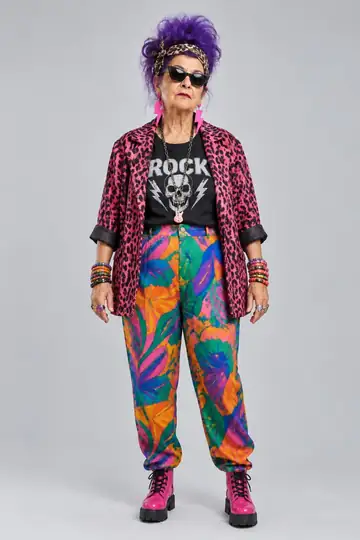
The first influencer can be created at no charge within 3 images across attempts and adjustments. Videos use credits. On Home, choose a trend and play Watch the whole video, with sound before generating. Answer What plays in this video?, choose the quality and tap Generate video.
The example is an existing interview remade with an influencer in it. It does not show text-to-video talk-show production. A ten-second Standard trend uses 20 credits, or $3.33 on the larger monthly plan, and takes about one to three minutes. The AI trend video tutorial explains the sound options and choosing who is replaced. Label the result as AI-made when the platform asks. The guided start shows examples first and asks for the purchase before anything is drawn.
Frequently asked questions
- Is an AI influencer a real person?
- Marisa Maiô is a fictional TV host made with AI. Canaltech's June 9, 2025 report identifies the human creator as Raony Phillips and the video tool as Google Veo 3. Her appearance in a video does not mean a real presenter performed that scene.
- How are AI influencers created?
- Marisa's reported method uses text-to-video generation: Canaltech named Google Veo 3 in June 2025, and Consumidor Moderno described it as making video from text descriptions. Other workflows put a saved AI influencer into existing footage. Choose according to whether you need to invent a scene or replace a person in a video you already have.
- Can AI influencers get brand deals?
- Yes, in at least one reported case. Meio & Mensagem reported Marisa Maiô videos for Magalu and OLX in June 2025, and no outlet cited here reported a fee. Those examples show that brands worked with the character, but they cannot tell you what another account would earn.
- How do I make an AI influencer talk?
- Choose a workflow that supports the speech you need. Duble AI uses speech already present in a source video, with Someone speaks or sings selected so the mouth follows the voice. It does not generate new dialogue from a script or create a talk show from text.