What is an AI influencer? A 2026 definition with examples
7 min read
An AI influencer is a character that exists only on screen, with a face and body made by artificial intelligence, and a social media profile that posts photos and videos like any creator's. A real person, team or brand stands behind each one and decides what it posts and what it sells.
Many people say "virtual influencer" for the same thing. The difference between the two words fits in one table.
Is an AI influencer a real person?
No. The face and body in the feed were generated by a computer and never photographed. The real person is whoever built the profile and runs it. Granny Spills, a fictional grandmother, was created in July 2025 by Eric Suarez (TIME spells it Suerez) and Adam Vaserstein of Blur Studios, according to TIME. Big Yowie, a Bigfoot who vlogs, was made by a software engineer who goes by Seiji, according to Kapwing.
It is not always obvious. Mia Zelu's AI origin appeared only behind a "Read More" in her bio, Tennis.com reported.
What kinds of AI influencer are there?
There are three kinds, and a profile can sit between two. A realistic one tries to pass for a photographed person. A stylized one is visibly a drawing or a 3D model. An absurd one looks like a person and exaggerates everything else: the age, the outfit, the attitude. The line between a 3D figure and a generated one has a table of its own.
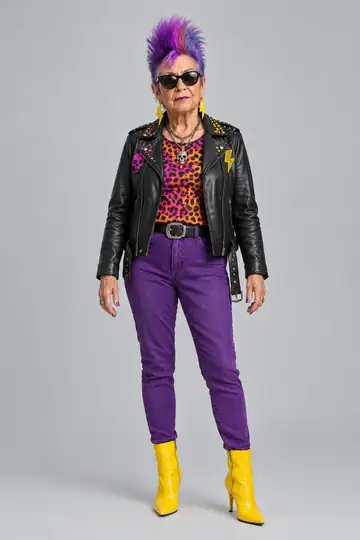
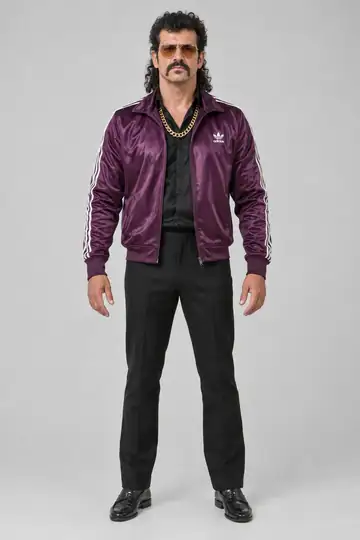
These profiles illustrate different character styles. Their examples do not predict the audience of a new account.
| Profile | Kind | What the sources say |
|---|---|---|
| Aitana Lopez | Realistic | Made by The Clueless, a Barcelona agency. |
| Mia Zelu | Realistic | Anonymous creators. |
| Lu do Magalu (Brazil) | Stylized | The virtual character of the retailer Magazine Luiza. |
| Lil Miquela | Stylized (computer graphics) | Created by Trevor McFedries and Sara DeCou at Brud in Los Angeles. First post on April 23, 2016 (Wikipedia). |
| Granny Spills | Absurd | A fictional 75-year-old in pink designer outfits who gives blunt luxury-lifestyle advice. |
| Big Yowie | Absurd | AI Bigfoot vlogs, described in the creator's interview with Kapwing. |
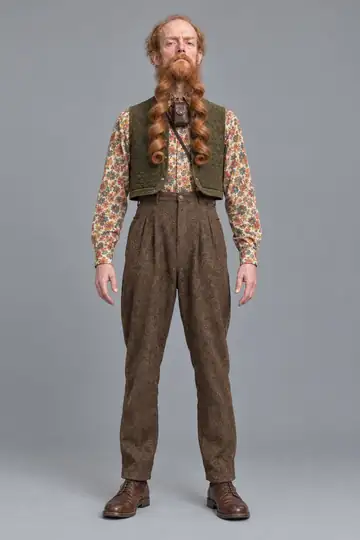
| Jean Phil | Absurd | A silent shadowboxer in a brown suit who appeared in September 2026. The press treats him as AI-generated. Nobody has identified who makes him, and no tool is confirmed: an anonymous creator told Belgian broadcaster VRT that AI plays a role in the process but the videos are not fully AI-generated. |
| Marisa Maiô (Brazil) | Absurd | A talk-show host in a black swimsuit, created by Raony Phillips, according to Canaltech. |
More examples are in AI influencers that went viral. Brazil has a scene of its own, covered in Brazil's AI influencers. The newest account has its own piece: who is Jean Phil.
How is an AI influencer's content made?
There are two routes. On the first, every clip is generated from scratch by a video model, from a text description. Granny Spills' creators told TIME that they use Claude to draft concepts and scripts and video tools such as Google Veo, and that one video takes 5 to 10 minutes. Big Yowie is made with Google Veo 3 and shot prompts drafted in ChatGPT, according to Kapwing.
On the second route the video already exists and the AI swaps who is in it. That is what Duble AI does. You pick a trend, or send a clip of your own that is 3 to 30 seconds long, and your influencer takes the place of whoever is in it, follows its movement and uses its audio as a reference, in the original's scene, which may change a little. Duble AI does not make a video from a text description.
The steps are in how to make AI trend videos, and the version with a clip you filmed yourself is in how to replace a person in a video with an AI character.
In Brazil, the newspaper O Tempo reported on October 8, 2026 a Brazilian account that uses AI to make Vector, from Despicable Me, appear in videos of well-known people. What is known and what is not is in the AI Vector videos.
Why do people build AI influencers?
One reason the cases show is having a face on screen that is not the creator's. Big Yowie's creator is a software engineer, according to Kapwing, and the creator of Dona Maria, a Brazilian political account, says his main income comes from elsewhere, according to BBC News Brasil. Someone with another source of income and a good idea can publish without setting up a studio.
Another is a face that repeats. Several cases on this page repeat one fixed visual hook: the pink-clad grandmother of Granny Spills, the Bigfoot of Big Yowie, the silent boxer of Jean Phil, who only changes scenery. A follower learns to recognize the figure, and the account gets an identity. A trend supplies the rest: its sound and movement are already going around, and the only new thing is who appears. How to go viral with an AI influencer turns that pattern into a posting plan. Nobody can promise that a video will go viral.
How do AI influencers make money?
A creator needs a paid job, a sale or approval into a payout program. Brand deals, commissioned videos and affiliate links are possible routes, each with its own buyer and terms. The monetization guide explains how to prepare a paid project.
To judge profitability, compare confirmed revenue with production and operating costs over the same period. The earnings guide shows what to count. Duble AI promises no reach, followers or income.
Do AI influencers have to be labeled?
Wherever the content looks real, yes. YouTube asks creators to disclose when AI generates or meaningfully alters photorealistic content, and says disclosing does not limit a video's audience or its eligibility to earn money. Meta requires disclosure through its AI-disclosure tool for photorealistic video and realistic-sounding audio, and may apply penalties to creators who skip it (Meta Community Standards, page read on October 13, 2026). TikTok requires creators to label realistic AI-generated content, and said in May 2024 that the rule had been in place for over a year. On August 31, 2026, Instagram announced that its "AI creator" label is renamed "AI-generated profile", which creators add by editing the profile, and said it will limit the reach of profiles that should carry it and do not (what the label means). How to switch each label on, and what it does to reach, is in AI labels on Instagram, TikTok and YouTube.
Advertising has its own rules, set country by country, and they do not depend on the figure being AI. Brazil's advertising self-regulator CONAR, in its May 2026 influencer guide, treats paid content on the profile of a person, a virtual persona, an avatar or another computer-generated character alike as influencer advertising, and says its rules apply whatever technology produced the content. Paid posts must be clearly marked, preferably with the platform's paid-partnership tool or with #publi or #publicidade in plain sight (CONAR guide). What brands ask of an AI influencer is in can AI influencers get brand deals, and what is law and what is still a bill is in is an AI influencer legal. This is a summary and not legal advice.
One more rule applies everywhere: an invented influencer copies nobody. On Duble AI, someone else's face goes in only with their permission, and celebrities' faces may not be used at all.
How to make your own AI influencer
The creation screen of Duble AI has four ways in: describe it in a sentence, build it part by part, start from your photos, or take a ready-made one from the cast. In the app, your influencer is called a double. Creating it costs nothing, up to 3 images across tries and adjustments. Videos and photos cost credits, and a 10-second trend video comes to $3.33 and up.
The whole road, from a face to a posted video, is in how to create an AI influencer. If the account belongs to a company, see an AI influencer for your brand. To start now, create your influencer.
Frequently asked questions
- What is an AI influencer?
- An AI influencer is a character made with artificial intelligence that has its own social media profile and posts like any creator. The face and body are computer-generated. A real person, team or brand decides what gets posted and answers for the account.
- Is an AI influencer a real person?
- No. The face and body were generated and never photographed. A real person or team stands behind each profile and decides what it posts. Some accounts only say it is AI in the bio, so it is worth checking there if you are unsure.
- Does virtual influencer mean AI?
- Not always. Virtual influencer is the wider term and also covers figures built by studios and brands, such as Lil Miquela and Lu do Magalu. AI influencer usually means a profile whose images and videos are generated by AI models, the wave that took off in 2025 and 2026.
- How do I make an AI influencer?
- On Duble AI you describe the influencer in a sentence, build it part by part, make it from your photos or take a ready-made one from the cast. Creating it costs nothing, up to 3 images across tries and adjustments. Videos cost credits, from $3.33 for a 10-second trend.
- Do I have to label an AI influencer as AI?
- Wherever the content looks real, yes. YouTube, Meta and TikTok ask creators to label realistic AI-generated content, and paid posts must be marked as ads. Rules differ by platform and country, so read each platform's help page before you post.
- Can an AI influencer make money?
- Some profiles report earnings, but nothing is guaranteed, and several cases where the creator talks about money show low income or a loss. Money comes from sponsored posts, affiliate links, own products and platform payouts. Duble AI makes the content and promises no reach, followers or income.