How to go viral with an AI influencer: the pattern behind the breakout accounts
7 min read
Nobody can promise that a video goes viral, and no tool can either. What you can do is borrow what the AI accounts that broke out in 2025 and 2026 have in common: one figure people recognize, one habit repeated and a new scene every time. This page turns that pattern into a plan for an AI influencer you make on Duble AI.
Can you make a video go viral on purpose?
No. The platforms decide who sees a video, and no tool controls that. The accounts in the list of AI influencers that went viral are also the ones that worked. The list says nothing about how many tried the same thing and got nowhere. Duble AI's terms say it plainly: "We do not promise reach, followers or income from the videos."
Choose the character, the kinds of clips it appears in and a posting schedule you can maintain. Evaluate those choices with your own results.
What do the accounts that broke out have in common?
In the list, the pattern is one fixed look, one repeated action and a scene that changes each time. It fits how the product works, with one difference worth knowing first.
Several of those accounts made each scene from a text prompt. Duble AI does not make a video from a description. Every video puts your character into a video that already exists, either a trend's clip or one you filmed, follows that video's movement, uses its audio as a reference and is in its scene, which may change a little. "A new scene each time" is therefore something you choose and not something you write. If you want to type a scene and get a clip, this is not the tool. If you want a character of yours inside a trend, it is.
Step 1: Make one figure people recognize at a glance
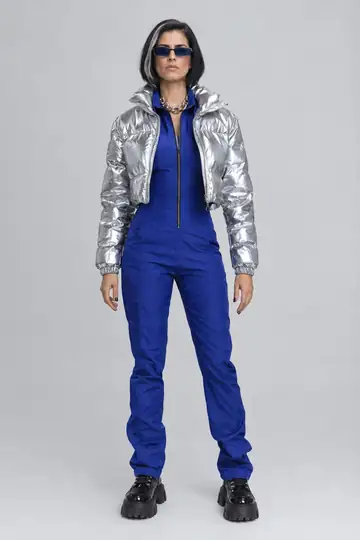
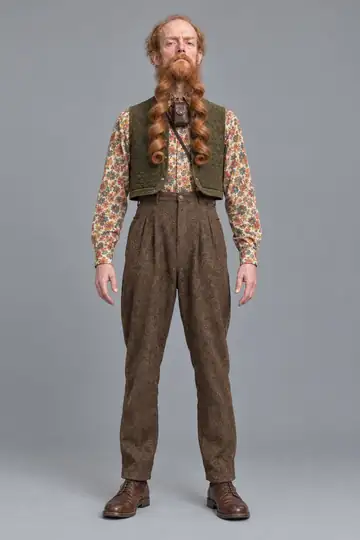
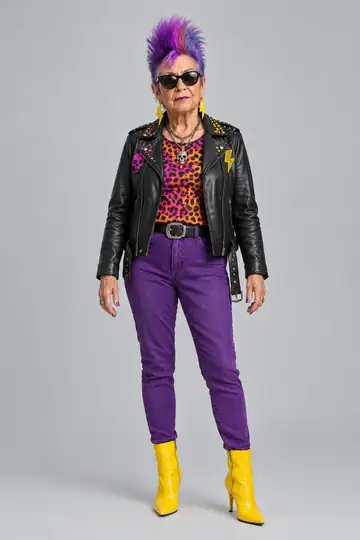
A figure sticks when one sentence describes it: a person, one strong visual detail and an attitude. For a distinctive look, exaggerate the hair, the mustache, the clothes or the attitude and keep the face and body human. Rocco, from the Duble AI cast, is a sturdy bald man of about 60 with two huge pom-pom sideburns, small red-lens glasses and a red racing jacket. The kinds of AI influencer, from realistic to absurd, are laid out in what is an AI influencer.
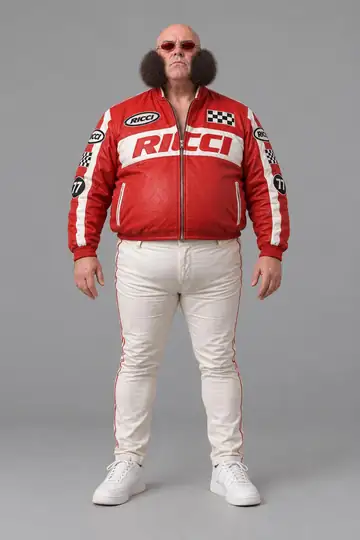
On the creation screen you can describe a figure in your own words, put one together part by part, make one from your own photos or take one from the cast. Creating one costs nothing, up to 3 images across tries and adjustments. For every look, Duble AI draws two sheets on its own, one with the body from every side and one with the face up close, which helps the figure stay the same when it turns or comes near the camera. To start, create your influencer.
Step 2: Give it one habit
The accounts in the list did one thing again and again. In Duble AI the habit comes from the clips you pick, and there are two ways to build it.
- A kind of trend. Choose one type and keep going back to it: your character in an interview, in a crowd, at a party. In a trend with several people the other people stay in it, so your character stands next to real ones.
- A clip of your own. Film yourself doing the same small thing in a different place each time, such as walking up to the camera and shrugging, and send it in. Your character takes your place, and the video can run from 3 to 30 seconds at 2 credits a second on Standard quality. How to replace a person in a video has the steps and what makes a clip work. Send only videos you have the right to use.
Step 3: Let the trend be the script
A trend comes with its movement, its scene and its sound, so there is nothing to write or direct. Each card plays the trend and shows its length and price in credits. Watch the trend with sound first, say what plays in the video, pick a quality and tap Generate video. A 10-second trend at Standard quality is 20 credits, from $3.33 a video. The steps, button by button, are in How to make AI trend videos with your own character.
Same figure, three source clips. Compare which movements suit the character before making the next one.
Step 4: Post on a rhythm you can keep
Pick a number of videos a week that you can keep up for a month, and keep to it. A video takes a few minutes to make. The slow part is choosing the trend, so choose several at once.
A simple start is a week of one video a day in one kind of trend. Then look at the platform's own numbers to see which videos people watched longest, and make more like them. The pack "A week of posts" is $29.99 and makes 8 ten-second trend videos, enough for a week of daily posts with one over, and credits never expire.
Step 5: Add a second look when the first is known
A look is the same person with something changed, such as another outfit or hair color. A new look costs 2 credits and is an edit that keeps the person. Keep the first look for the first weeks so people learn it, and bring in the second when you have something to announce. Keep one signature detail across looks, like the glasses or the mustache. Change your AI influencer's outfit and hair without changing the face shows how.
Does labeling a video as AI cost reach?
YouTube's help page says that disclosing AI use does not limit a video's audience or its eligibility to earn money (YouTube Help). Meta asks for a label on photorealistic AI video and realistic AI audio and may penalize accounts that skip it (Meta). TikTok asks creators to label realistic AI content (TikTok, May 2024). Of the three pages cited, only YouTube's states what a label does to reach, so check the others' current pages before you post. Duble AI reminds you on every finished video to mark it as AI-made. AI labels on Instagram, TikTok and YouTube goes platform by platform.
What can hold an account back?
Mass-produced content
YouTube's partner program page says AI content made from generic templates that looks mass-produced is not eligible for monetization, and it names a character and story you invented yourself as an acceptable use (YouTube Help, renamed July 15, 2025). One of Granny Spills' creators told TIME, for an article in November 2025, that TikTok flags their videos as "unoriginal" and removed them from its Creator Rewards Program. A TikTok representative, asked for comment, pointed to its policy page on "unoriginal or low-quality content." Granny Spills has an unmistakable figure and went through this anyway, so a strong look helps and guarantees nothing.
Other people's footage and faces
The newspaper O Tempo reported on October 8, 2026 a Brazilian account that put a cartoon villain into videos of well-known people, and raised copyright and image-rights questions. The trends in the library are other people's videos as they were posted, and whoever posts is responsible for what they post. A video of your own should be one you have the right to use. Duble AI's terms rule out making an influencer of a famous person.
Frequently asked questions
- How do you grow an AI influencer on Instagram?
- Settle on one recognizable figure, post the same kind of video on a steady rhythm and label the content as AI where Instagram asks. With Duble AI that means picking trends and sending your character into them, a few minutes a video. Growth is never guaranteed and depends on the profile, the network and the moment.
- How do you make viral AI videos?
- Start from a video that is already going around. In Duble AI you pick a trend and your character takes the place of the person in it, with the trend's original sound, in a few minutes. Nothing guarantees a video will go viral, and you cannot make a video here from a text description.
- How do you create a successful AI influencer?
- Give the character one strong visual detail and an attitude, keep the face the same in every video and repeat one kind of content. Success is never guaranteed, so treat the first month as a test and watch which videos people watch to the end.
- How much does it cost to make an AI influencer's videos?
- Creating the influencer costs nothing, up to 3 images across tries and adjustments. A 10-second trend video at Standard quality is 20 credits, from $3.33 on the larger monthly plan. Credits never expire, and a video that fails gives them back.