Celebrity AI videos: likeness rights and authorized alternatives
5 min read
A celebrity AI video is not automatically cleared because it is a montage, meme or parody: the person’s likeness, source footage and soundtrack have separate rights. A clearer production route uses your own face, an original identity or material licensed for the intended use; Duble AI prohibits celebrities and political figures in every case.
Which permission does the project need?
| Layer | Check | What does not establish permission |
|---|---|---|
| Likeness | Identifiable person, context and authorized use | A public photo or newly generated pixels |
| Footage | Owner and permission to edit and publish | A link or creator credit |
| Music | Composition, recording and destination-specific license | Music already being in the source clip |
| Advertising | Endorsement, brand association and sponsorship disclosure | An AI label |
| Tool | Terms in addition to the law | Technical ability to generate the result |
Sources checked October 24, 2026. This guide covers Brazil and Portugal/EU examples rather than providing worldwide clearance or instructions for impersonating a famous person. A project relying on a legal exception or celebrity agreement needs case-specific review before publication.
Why do replacement videos raise rights questions?
Changing a person visually can leave other parts of the original work and real-world associations intact. New pixels do not erase the source recording’s rights. Brazil’s Copyright Act Articles 29 and 31 address authorization for uses and their separate scope.
On October 8, 2026, O Tempo reported on Jean Phil’s AI replacement videos, involving an animation-inspired identity in third-party recordings. A viral example explains the question; it does not establish a license or a court ruling approving repetition. We do not assign a legal outcome to that case.
The same caution applies to purchased assets. A license to show footage may differ from permission to alter it using AI. Describe the intended transformation and publication to the rights holder instead of assuming “licensed footage” covers every use.
Brazil: how do likeness rights and privacy apply?
Civil Code Article 20 protects a person’s image under its stated conditions, including commercial use, with contextual exceptions. Being famous is not an advertising authorization. Avoid implying that someone tested, recommended or attended something they did not.
The LGPD is another layer when personal data is processed. In a commercial operation, check the purpose and legal basis for uploading photos and other data. Publication permission does not answer every question about supplier processing.
CONAR’s 2026 guide addresses AI in advertising. Advertising identification and truthful presentation remain relevant. The AI influencer legality guide separates these issues from platform rules.
Do parody and tribute automatically allow it?
In Brazil, Copyright Act Article 47 permits parody of works under conditions. It does not automatically authorize use of a person’s likeness, original music or a brand. Calling something a tribute does not establish a license either.
Ask what work is being commented on and what viewers would understand. Consider advertising and implied commercial association. A caption may not undo the meaning communicated by the video itself. If the project relies on a parody defense, obtain advice on the actual material before producing it.
Familiar animated identities have another layer: copyright and trademarks can apply without a real person’s likeness. The Vector case helps explain the technique, while the technique does not clear rights. An original identity lets the idea work without depending on a famous entertainment property.
What if the person or context is political?
Brazil’s TSE Resolution 23.610/2019, compiled with 2026 changes, prohibits deepfakes used to benefit or harm a candidacy in Article 9-C(1), even when authorized. Article 9-B includes additional duties and restrictions. A label does not authorize a prohibited use.
Do not use entertainment guidance as campaign advice. Duble AI’s Terms already prohibit political figures regardless of a possible interpretation of the electoral context. Other jurisdictions have their own election rules.
How do Portugal and the EU differ?
Portuguese Civil Code Article 79 includes consent, exceptions and protection of honor and reputation. Its reference to notoriety should not be summarized as permission for a manufactured commercial endorsement.
AI Act Article 50(4) addresses deepfake disclosure, with adapted disclosure for evidently artistic or satirical works. It does not grant likeness permission. Read the July 2026 consolidated text by obligation: Article 111(4)’s transition for certain older systems concerns Article 50(2), rather than a general suspension of disclosure.
How can you produce an authorized alternative?
Duble AI is our product and offers a workflow for your own face or an original identity within its Terms. It places the influencer in existing footage and keeps the original sound. It is not voice dubbing and does not generate new speech to attribute to someone.
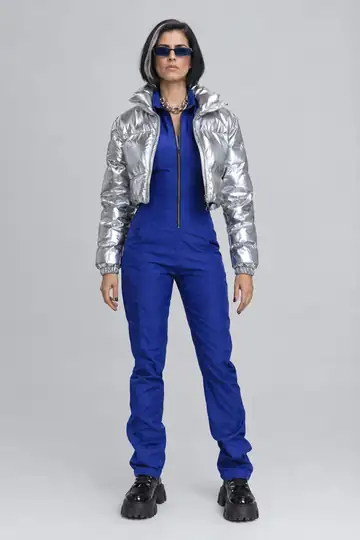
- Define a scene that does not depend on a celebrity: your own presentation, a reaction or an original identity.
- Prepare photos and footage you own or have licensed for editing and publication. Check the people depicted and the scope of their permissions.
- Choose music permitted for the destination. Review the soundtrack license before advertising.
- Review the output and required platform disclosures. For a client, include a record of licenses and outstanding permissions.
Creating an influencer from your photos explains this reference workflow. Licensed material still has to comply with the Terms; we do not offer an exception for celebrities, brands or third-party identities prohibited by the product.
Frequently asked questions
- Can I make and publish an AI video of a celebrity?
- Fame and an AI label do not automatically clear the use. Likeness, footage and music involve separate permissions, and advertising raises additional questions about implied endorsement. Duble AI’s Terms prohibit celebrities and political figures in every case. Check local law and the specific use before producing.
- Is labeling a video as parody enough?
- No. Brazil’s Copyright Act Article 47 sets conditions for parody of works without automatically clearing likeness rights or election restrictions. Portugal and EU rules also require attention to context and separate rights. A caption calling something parody is not a substitute for evaluating the actual video.
- Can I use the same visual workflow with my own photo?
- You can work with your own face, an original identity and footage you are entitled to use. Check the photograph’s ownership as well as footage and soundtrack permissions. Duble AI uses an existing recording and keeps its sound; it does not generate a new voice.
- Are familiar cartoon identities free to use?
- Not automatically. An animated identity can involve copyright and trademarks even when it depicts no real person. Appearing in a trend or catalog does not establish a commercial license. Use an original identity or secure the necessary rights while also respecting the chosen tool’s Terms.
- Would a celebrity license make the use allowed in Duble AI?
- No. A legally authorized production and a product’s restrictions are separate matters. Duble AI’s Terms prohibit celebrities and political figures in every case. Licensed material must also fit the tool’s rules and the license scope; a rights agreement does not override a contractual product restriction.