Face swap vs whole-character swap in video: the difference and when to use each
7 min read
Swapping a person in a video can mean two different jobs. A face swap changes only the face: the body, hair, clothes and scene stay as filmed. A whole-character swap replaces the person from head to toe with another character, who repeats the original's movements. Either way, the face or character going in has to be yours, someone's who agreed, or an invented one.
Face swap vs character swap, side by side
The table sums up what the tools' own pages say about each job. The right-hand column describes a whole-character swap in general, with Duble AI's limits where it has any.
| Face swap | Whole-character swap | |
|---|---|---|
| What changes | The face only, followed frame by frame | Face, body, hair and clothes: whoever is on screen becomes another person or character |
| What stays | The body, hair, clothes, scene and lighting of the original video | The movement, the other people in the video and the sound. The scene may change a little |
| What it is good for | A video where only the face needs to be different | A video where the whole person should be someone else, such as a character who returns in clip after clip |
| What it needs from the source clip | A face you can see in the frames | The whole person in frame, steady light and one clear main person. On Duble AI, 3 to 30 seconds |
| Whose face can go in | Yours, or someone who agreed | An invented character, one from the cast, or you, from your own photos |
Kling's face swap page sums the job up as swapping the face and not the whole scene. It keeps the lighting, mood and setting of the video and, in video, adjusts the new face to angles, expressions and movement. Higgsfield's face swap app says it tracks the face frame by frame and does not swap more than one face at a time. We read both pages on October 13, 2026.
The whole-person job goes by other names: character swap, character replace, person swap and, in searches, body swap. Higgsfield's Recast says it replaces a character in a video. Kling's Motion Control starts from a character image and a reference video, and in version 2.6 its guide asks for a single character in one continuous shot. Both companies sell the two jobs as separate products. Prices, limits and sound handling for each tool are in AI character swap video tools in 2026.
Which one do you need?
Pick a face swap when the rest of the video is already right and only the face has to change. Say you filmed a scene with an actor who agreed to play your part. Swapping in your face changes that one thing and nothing else. Because the body, clothes and way of moving stay those of whoever filmed, that person is still in the video with a different face. That is why a face swap leans hardest on everyone involved having agreed.
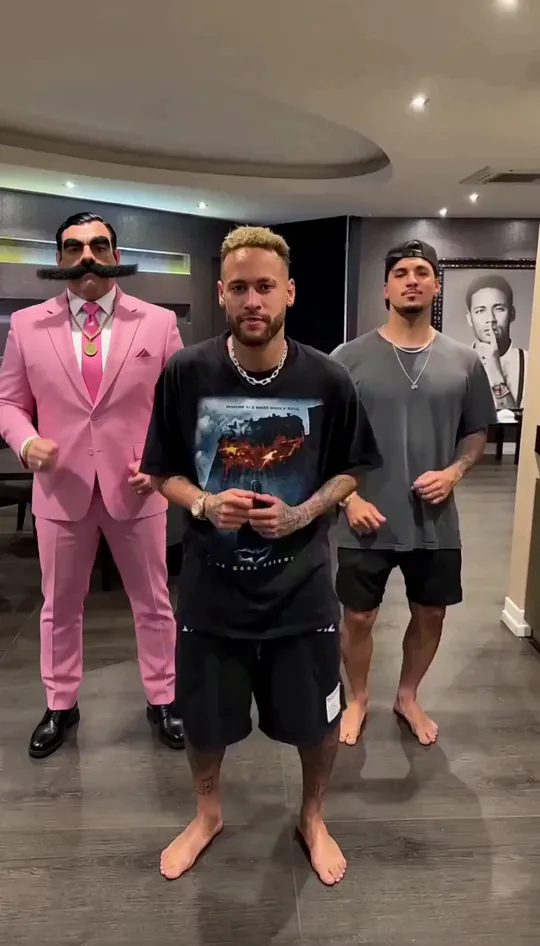
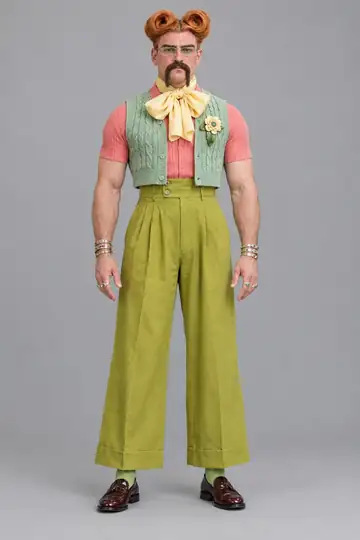
Pick a character swap when the person on screen should be someone else altogether. A recurring AI influencer who shows up in different trends with the same look is the usual case. Below, a trend with three people in a living room, and the same trend with Enzo Puff, from the Duble AI cast, in place of one of them. The other two people and the sound are as they were.
This kind of swap has limits. The app redraws the whole video with the character, so the scene may change a little, and the double takes the place of one person. When the double looks like the person in the video, the app warns that the video takes about a minute longer and that the result may come out with some of that person's features mixed in.
Whose face can go into a video?
Yours, someone's who agreed, or an invented character's, and never a celebrity's or a political figure's, even with permission. That is what Duble AI's Terms ask. Higgsfield and Real Xablau also talk about consent on the pages we read.
- Yes: your own face. The face of a person who agreed, ideally in writing. An invented character, which should not look like anyone.
- No: the face of someone who does not know about the video. Celebrities and political figures, with or without permission. Characters and brands that belong to another person or company.
Duble AI does not check whose face it is. It has no face recognition, and under the Terms whoever uploads the photo or video is responsible for it. Higgsfield's face swap page leaves the rule to the user too: it talks about strict policies against content made without consent and, in the version we read, describes no check on whose face goes in. Real Xablau, a Brazilian tool, says it accepts a real person's face only with authorization and bans public figures without their authorization (Real Xablau's rules, read October 13, 2026).
Does the video have to be yours too?
Yes. With the right face, you still need the right to use the video. Duble AI's Terms ask for videos you have the right to use, and the app repeats it under the generate button. A video you downloaded from someone else only goes in with permission from whoever filmed it and whoever appears in it.
The question reached the Brazilian press in October 2026, over accounts that put one character in place of famous creators. According to the newspaper O Tempo, the AI swaps the look, but the original recording, performance or dance still belongs to other people. The report quotes no lawyer (O Tempo, October 8, 2026). That case is covered in how the AI Vector videos are made.
What do platforms and laws say?
Platforms ask for a label when AI content looks real. YouTube asks you to disclose when AI alters or generates photorealistic content, and it names the case of a real person made to appear to say or do something they did not (YouTube). Meta and TikTok also ask for a label on realistic AI content. Each network's rule is in how to label AI content.
On the law, we did not check the text of Brazil's federal image-rights statutes or the law of the United States or Europe, and this is not legal advice. We can say this much about Brazil: on October 13, 2026, bills on synthetic content made without consent and on deepfakes in commercial communication (Bills 1443/2026 and 6336/2025) were attached to Bill 2338/2023 in the Chamber of Deputies, and none was law (Chamber of Deputies). In election advertising the rule is harder: Jornal do Brasil reported that the electoral court's resolution bans the electoral use of synthetic audio or video that creates or manipulates people's image or voice, and that a label does not make such a use acceptable (Jornal do Brasil, August 29, 2026). The wider picture is in is an AI influencer legal?.
What if someone used your face without asking?
Duble AI's Terms say that if your image was used without permission, you can write to support@dubleia.com with the link to the video. The team reviews it and removes what needs removing. Every shared video also has a "Report this video" link, which a person reviews, and the video comes down within 24 hours when it should.
What Duble AI does
Duble AI does the whole-character swap and has no face swap. The influencer, which the app calls a double, can be invented, taken from the cast, or made from your photos. In that last case it looks like you, and it is not sold as a perfect copy. The person in the video goes out, the double comes in, and the sound you hear is the original video's.
The video can be a trend from the library or one of your own, and a 10-second one comes to $3.33 and up. The steps are in how to replace a person in a video, and the photos the app accepts are in create an AI influencer from a photo. To start with an invented character, create your influencer.
Frequently asked questions
- What is the difference between a face swap and a character swap in video?
- A face swap changes only the face and leaves the body, clothes and hair of the person who was filmed. A whole-character swap redraws the body, clothes and face as a different character's, and that character follows the original video's movements.
- Can you face swap a video?
- Yes, the technique exists and companies sell it as a product. It changes only the face, and the face has to be your own or that of someone who agreed. Duble AI swaps the whole person and has no face swap.
- What is an AI body swap?
- People use the phrase for the same job as a whole-character swap: the person in the clip is replaced from head to toe, not just the face. Tools sell it under names such as character swap, character replace and motion control, so check what goes in and what comes out.
- Can I swap someone's face in a video without their permission?
- No. Duble AI's Terms forbid using another person's name, image or appearance without permission, and those of celebrities and political figures in every case. Real Xablau and Higgsfield also talk about consent. The law differs by country and this is not legal advice, so ask a lawyer about your case.
- Can I use a video I downloaded from someone else?
- Only with permission from whoever filmed it and whoever appears in it. Duble AI's Terms ask you to send only videos you have the right to use, and the app does not check whose video it is. Whoever uploads and posts is responsible for what gets published.